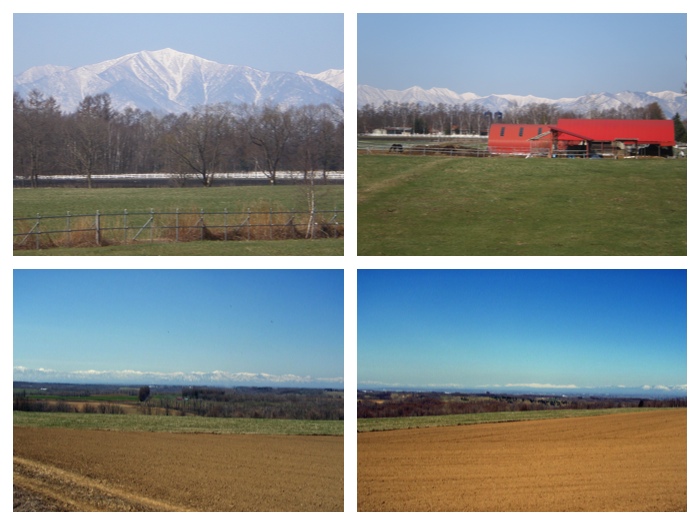
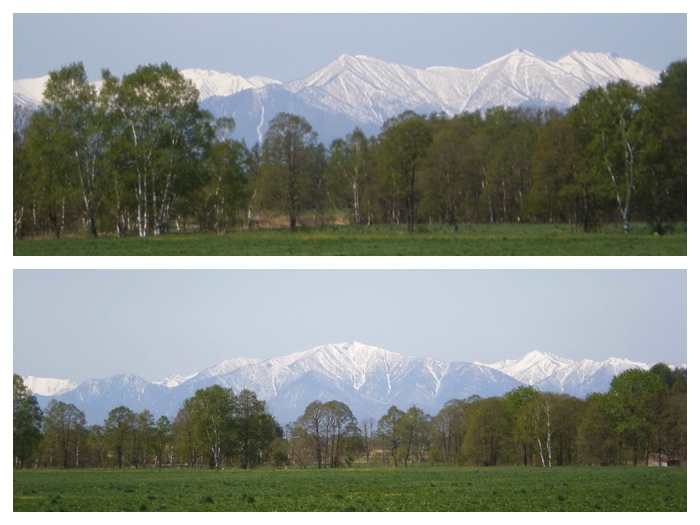
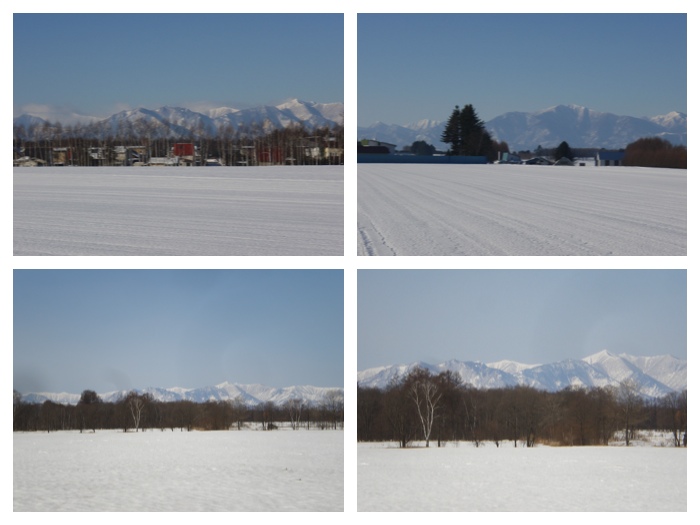
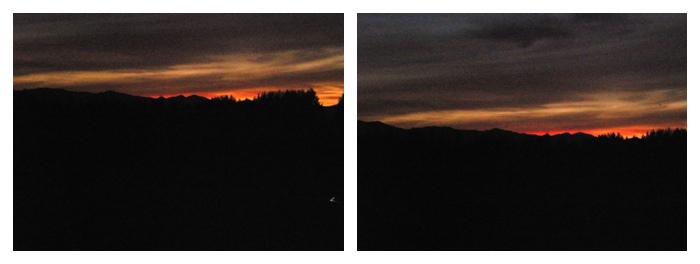
We, living in the central part of Tokachi plain, can see Hidaka mountains in the west and Taisetsu mountains in the north every day. When weather is fine, we can see them very clearly. Especially, morning is the best time to see Hidaka mountains due to the clear air and the sun light shed from the east direction. In the evening, they are also fascinating with the changing color of sunset.
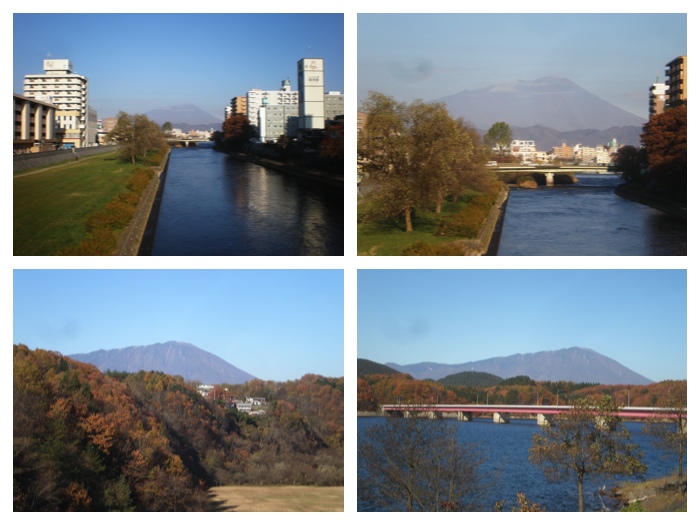
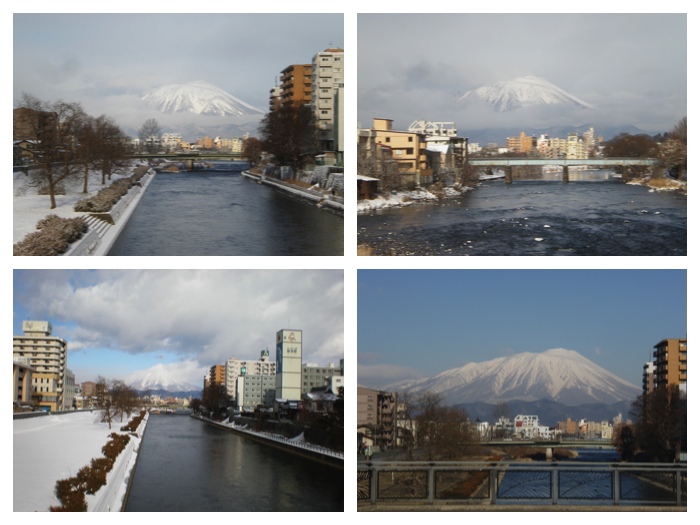
Mt. Iwate is a symbol of Iwate prefecture and Morioka city. It is majestic and looks like a big rock pressing the sky of north east region. It is often said that people in Iwate are stubborn, honest and humble. Such human characters can be well associated with the presence of Mt. Iwate. I could have many chances to see this mountain, because our graduate school belongs to the united graduate school of Iwate university. I am also attracted to Morioka and Iwate university, because my grandfather of mother side also studied in Morioka Kohto Agricultural College long ago, which was the prototype of Iwate university.
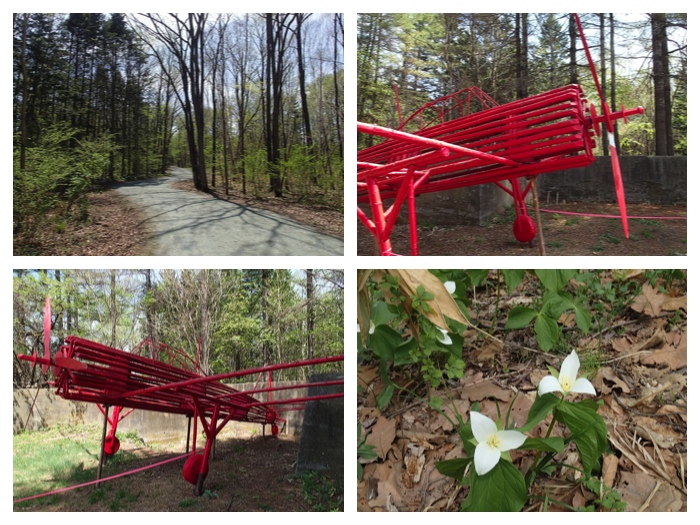
When I saw a monument of fighting airplane in the forest park in Obihiro, I considered why we could enjoy the peace for around 70 years since the end of the world war II in 1945. Some people may claim that it is thanks to the work of Japanese self defense force, and to the coalition with the US army. However, I think that it is not due to the military power which protected Japan from the war.
I think it is due to the Japanese constitution which abandoned the use of military forces to fix the international disputes with any foreign countries. When Japan does not use the military force, it is very clear that the country which uses the military force against Japan will be blamed internationally for initiating the conflict. However, when Japan starts to use her military force, it will be very difficult to distinguish which side has justice after the start of fighting.
Usually, the country which win the war, will claim the justice for fighting. Therefore, both sides of international dispute, can not be defeated by the war, and the governments will invest more and more resources to establish the military force which is stronger than those of other countries. It will be surely an endless effort.
Now, Japanese government, led by the prime minister Abe, is going to change the interpretation of the Japanese constitution, and is going to allow the Japanese self defending force the use of weapons to solve the international dispute.
However, the result of modern war will be very serious, because the killing performance of the modern weapons has become very awful and terrible.
Once a war will occur between any two countries, many soldiers will die in both sides, and not only the soldiers but also the civil people will be threatened for their lives.
Japanese country force have killed nobody in any foreign country and no Japanese people were killed by the foreign military forces in the last 70 years.
Though there have been often economical frictions between Japan and other countries, Japanese people could travel safely in almost all other countries. It is because Japan has abandoned the use of military force against foreign countries.
If Japan will start the use of its military force in coalition with the US army, any Japanese people whether he is a civil or a military person, he will be attacked by the people of opposite countries.
I think the changing the interpretation of Japanese constitution or changing the constitution it self is a very dangerous behavior for the Japanese people.
I think it is plotted for the party which can earn the great profit from the military industry or for the sake of the US army.
This week (December 8), I had guests from Mongolia to whom I presented a lecture on greenhouse soil. I could also have a chance to hear about the life and nature in Mongolia.
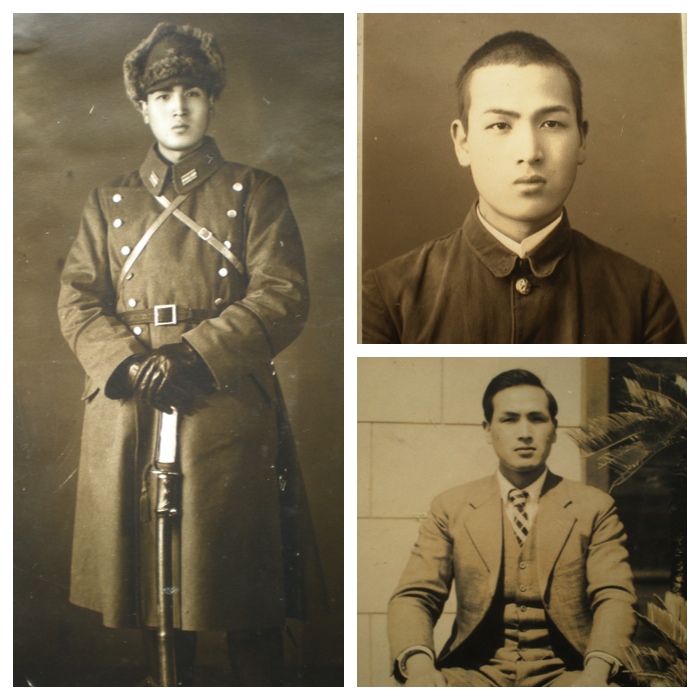
I have not been to Mongolia, but I have just reminded of my father who spent some years as a war prisoner after the World War II in Mongolia.
My father died on February 3 in 2011 at the age of 90, a month before the gigantic earthquake in the northeast Japan.
He was a teacher of elementary and middle schools for many years in Okazaki city. He was born as a third son and fourth child in a family of small temple in Okazaki. His father was a buddhist priest in the temple. His mother was also a daughter of another buddhist temple in a village near Okazaki. When my father grew up to the age of middle school graduation, his parents were so poor that they could not afford him to study in high school. His mother asked her brother in her home village to support my father to continue his study. Then, my father could study in a high school in Okazaki, then could promote to teacher’s college in Okazaki. In that age, no tutor fee was necessary in the teacher’s college. After graduated from the teacher’s college, he could become a teacher in an elementary school in Okazaki.
After working one year in the elementary school, he received a call-up paper, so called red paper. He was recruited as a soldier of Japanese army to fight for the World War II. It was a compulsory duty for Japanese men to join the army if the government recruits him.
He was sent to China and fought four years there shifting from place to place. In the final phase of war, he was sent to northeastern area of China, which was ruled as Manchuria country by Japan. His final destination was Harbin, where Japan was defeated and the war ceased in 1945. However, even after the cease of war, my father had to continue fighting against the army of Soviet Union, which declared the war against Japan just one week before the end of war.
His military troop sent off the last train going back to Japan carrying many Japanese people who had been settled in Manchuria. High class officers of Japanese army also fled back to Japan by the trains, and lower class officers and ordinary soldiers had been ordered to remain there and fight against Soviet Union army. The left soldiers lived with the employee families of sugar company in their company house until they confronted the Soviet Union army.
By that time, armaments of Japanese army were already very poor and insufficient, and my father's troop fought almost with bare hands against the heavily armed Soviet army and was defeated after losing more than a half of soldiers. Left soldiers surrendered to Soviet Union.
Soviet Union brought my father and his comrade soldiers to Siberia as war prisoners, and forced them to work for construction labors.
I suspect that there might have been a secret negotiation between the old regimes of Japan and Soviet Union to hand over the survived soldiers and Japanese settlers left in Manchuria to Soviet Union.
Living and working conditions for the war prisoners were very bad, and many soldiers died for illness, exhaustion and starvation. After spending some period in Siberia, my father was sent to Mongolia for construction work. Sometime, in the TV program in Japan, a scenery of Ulan Bator was broadcasted. My father remembered the building which he took part in the construction and was happy to see it again. My father also said that he did not hate the Soviet soldiers, because some of them were kind to him.
Anyhow, he could survive the four years war prisoners period in Siberia and Mongolia. Once I asked him how he lived in Siberia. He said, there was no house or cottage for the war prisoners, and they had to live in a trench dug in the ground. The food was not enough, and they had to eat everything, which seems edible. They ate wild grasses, animals and even the leather of shoes. It was very lucky that he could come back to Japan after four years. In his generation, more than a half of men who were sent to war field, could not come back home and died during the war.
My mother also told me that there were two young men who proposed her the marriage during the war period. My mother could not accept their proposal because they had to go to the war. Both of them died in the Philippines.
After coming back to Japan, my father returned to the elementary school as a teacher, and moved to many other elementary and middle schools during his employed period.
My father married to my mother in 1950, and I was born in 1951.
My father retired from the school teacher in 1981 at the age of 60. It was very happy for him that he could finish the career as a principal school teacher in the same elementary school where he started as a school teacher.
After retirement, he worked as a part time public servant in educational facilities in Okazaki city for some more years. He was also a lecturer of Chinese conversation in a culture school, because he learned Chinese during war time. He spent his private time for making short poems (Haiku) and drawing Japanese style pictures.
He also traveled many times to China with his wife (my mother). He liked also the places along the old Silk Road. He invited a young Chinese couple to Japan whom he met during his trip to China, and assisted and sponsored them to study in Japanese universities. The name of Chinese student included the same Chinese character as mine. My father said that because his own son (myself) went to foreign countries for studying and foreign people took care of me, he decided to help the Chinese couple.
In that period I was in the Philippines as a postdoctoral fellow at IRRI in the Philippines, then moved to West Germany for further study.
My father had two younger brothers. Both of them were also teachers in Okazaki city. Two years after the death of my father, first younger brother died for sickness, and just in last October, the second younger brother also died for sickness. Now all the brothers and sister of my father passed away.
Among the five brothers of my father, my father and his elder brother had to go to the war. It was a very rare case the both of them could survive the war.
While I was brought up as his son, he talked little about his experience during the war. Therefore, I do not know the detail of his experience.
It was nice of him that he said no word to praise the war of Japan.
Now, very few people are surviving in Japan who directly experienced the war. The war was a very sad and miserable experience for most of Japanese people.
However, for a very limited people who belonged to ruling class, the experience of war was not so bad.
During the war period, they blamed that USA and England were brutal nations and forced the people to sacrifice everything (lives and properties) to accomplish the war. High class officers and generals had been protected by ordinary soldiers. They always stood in the safest position and survived the battle. Some officers gained even their private properties by the war.
After the war they changed completely their attitude and obeyed the occupation rulers. Some people also leaked the secrets of Japanese military to USA so that they were relieved from the responsibility for the war crime. USA government also used such people to suppress the socialistic tendency in Japan.
Now, Japanese conservative politicians are in the generation of their children or grandchildren. They hate to reflect on the old Japanese militaristic behaviors, and they want to redeem the sin of their fathers and grandfathers.
They also intend to turn the nation's respectful mind for the soldiers died in the war to the re-establishment of militarism and nationalism in Japan. I think that we are approaching to the very dangerous age again.
Secrecy law of Japan was just enforced on December 10 in 2014 against the will of most of Japanese people. "Secret" is the most useful means to push militarism forward.
My mother was born in 1921, in the same year as my father.
She was born in Korea, because my grandfather was working in Korea as a food inspecting officer. My grandfather studied in the college of Agriculture in Morioka, Iwate (Presently Iwate University). After graduating from the college, he chose his profession to work for the Japanese timber company in Korea because he studied forestry in the college, but changed to become the officer of Japanese local government in Korea. At that time, Korea was governed by Japan.
As my grandfather often transferred among various branch offices in Korea, my mother had to change places with her family. I do not know the detail of her life in Korea, but she lived a good life in Korea, and she graduated from "the first women’s high school in Seoul". She wanted to study further in a music college in Tokyo, but it was already in the midst age of the second world war, and her father did not allow her to go to Tokyo alone.
At last, Japan was defeated in the war, and the family of my mother had to leave Korea immediately after the cease of war, though her father had bought his own house in Seoul after his retirement from the office. He had to abandon and leave everything which he acquired in Korea.
The sea trip from Pusan, Korea to Shimonoseki, Japan was also very hard. The ship had no regular schedule, and the passengers did not know when the ship could leave the port. While my mother temporarily left the ship, it left the port with her father and mother on board leaving my mother alone in Pusan port. My mother had to come back to Japan alone. My mother said that it was a hard voyage, because the boat was small and also there was a fighting between the Korean ship inspector and the crew members of the boat.
My grandfather did not go back to his home village, and settled in Okazaki which is not so far from Anjo city where he was born,
because he had been away from his born house too many years, and his family had lost most of their land due to the agrarian land reform after the war.
In Okazaki, my mother met a clergyman of a christ church, and became interested in christianity. Then, she was baptized and became a christian.
On the other hand, my family had close relationship with buddhist priest families, she was introduced to the third son of buddhist priest who came back from the war, my father, and married to him. Her husband (and my father) was not so strict on religion that he allowed my mother to go to church, but he himself was a buddhist in his whole life. My family kept the worship to buddhism ceremony in our home. My mother liked to sing hymns and she was also singing many hymn songs at home, so I learned also many hymn songs from her. She was very good at singing and had a good voice. I was brought up by a buddhist father and a christian mother, I could not select one of those religions, though I learned much about both religions.
My mother and father had three children, myself and my two younger sisters.
The life of my parents was very humble, because they experienced the very hard age due to the war. Education was the most important purpose of my parents: for my father, the education of pupils and students, and for my mother, the education of her own children.
This month [December 14, 2014], we had an election for the House of Representatives.
Prime Minister Mr. Abe decided to have the election in the earliest occasion, because there is no good expectation in the future with respect to economic tendency of Japan or the people’s anxiety about the militaristic policy carried out by the present cabinet.
Liberal Democratic Party could win the 291 seats (61.3 % of Diet seats) . As another conservative party (Koumei-tou) won 35 seats, the seats of ruling parties attained 326 in total which is 68.6 % of Diet seats.
Prime minister Abe declared the victory in the election, and said that his policy has been approved by the nation.
However, according to the survey of public opinion by Kyodo News Service Co. in Japan, 55 % of the Japanese people feel anxiety about the militaristic and nationalistic security policy of the present cabinet.
The uneasy feeling of the people was also reflected by the fact that very nationalistic or militaristic members of the former Diet lost their seats in the present election.
On the other hand, 85 % of the new members of the Diet are for the revision of the Constitution of Japan and 65 % are for the Secrecy Law of Japan.
Numbers of the members of the House of Representatives are not proportional to the general opinion of the national people.
The reason for such discrepancy is the combination system of single-seat constituencies and proportional representation in Japan. The seats allocated to the single-seat constituencies are 295 in total and that for the proportional representation is 180. In the part of the election for single-seat constituencies, Liberal Democratic Party won 223 seats (75 %), though they won only 48 % of the total votes, which correspond also to 24 % of the total number of eligible voters.
The votes for small opposition parties are not reflected in the number of seats, and the votes for the ruling party have 1.5 – 3.0 times power in the Parliament.
This phrase sounds nice. The meaning is that: “Human is created from humus. Humic soil is humid. Humidity (water) is the largest constituent of all lives including human. Humidity in human controls the disposition of human, which is the Humor".
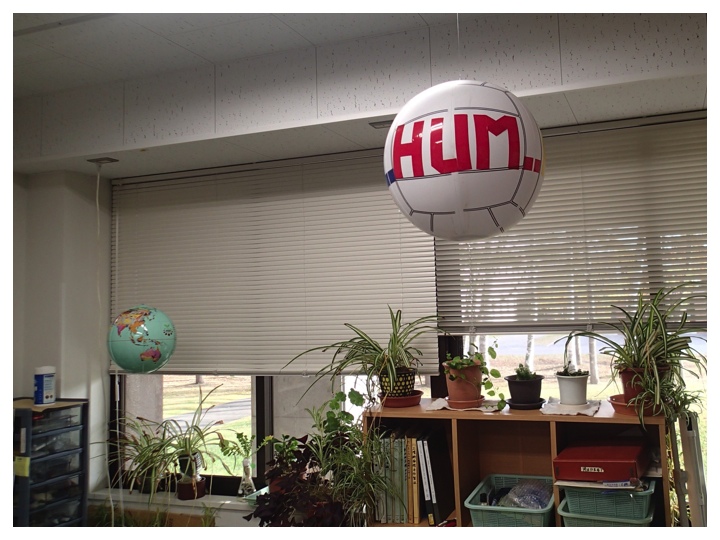
So, I made a balloon pasted with the color tape figuring the phrase of “Hum.., hum.., hum...” for the ornament in my "humble" laboratory.
By the way, I studied "Humic acid" for my graduate thesis as well as for the master and doctor thesis in Nagoya University. While I was an assistant professor at the soil science laboratory in Nagoya University, I studied also "Humin" in the soil. These substances are very complex and refractory in nature and structure. They are waiting for the new challenger.
I could not contribute to the science of humic substances so much. I sincerely think so with a sense of humility.
(br />
“フム.., フム.., フム...”
素敵なフレーズだと思いませんか? その意味は: “人(Human) は土 (humus)から作られました。 腐植をたくさん含んだ土(Humic soil) は湿っています (humid)。水分(Humidity: water) は、人(human) を含めた全ての生き物の体の大部分を占めています。人の体の中の水分(Humidity in human) は人の気質や気分(Humor)を支配します。"Hum" がつく言葉は皆関連しているのです。
そこで私はミニバレーのボールにカラーテープを貼付けて“Hum.., hum.., hum...”と書きました。そして私のささやかな "humble" オフィスを飾りました.
ところで、私の学生時代の卒論、修論、博士論文の主要テーマは腐植酸"Humic acid" でした。また、名古屋大学で助手をしていた頃にはヒューミン"Humin"の研究をしました。土壌中のこれらの物質の構造は複雑で、またとても安定なものです。長年の研究にもかかわらず、私はこれらの物質の解明にはあまり貢献できませんでした。
謙虚な気持ち(with a sense of humility)でそう思います。
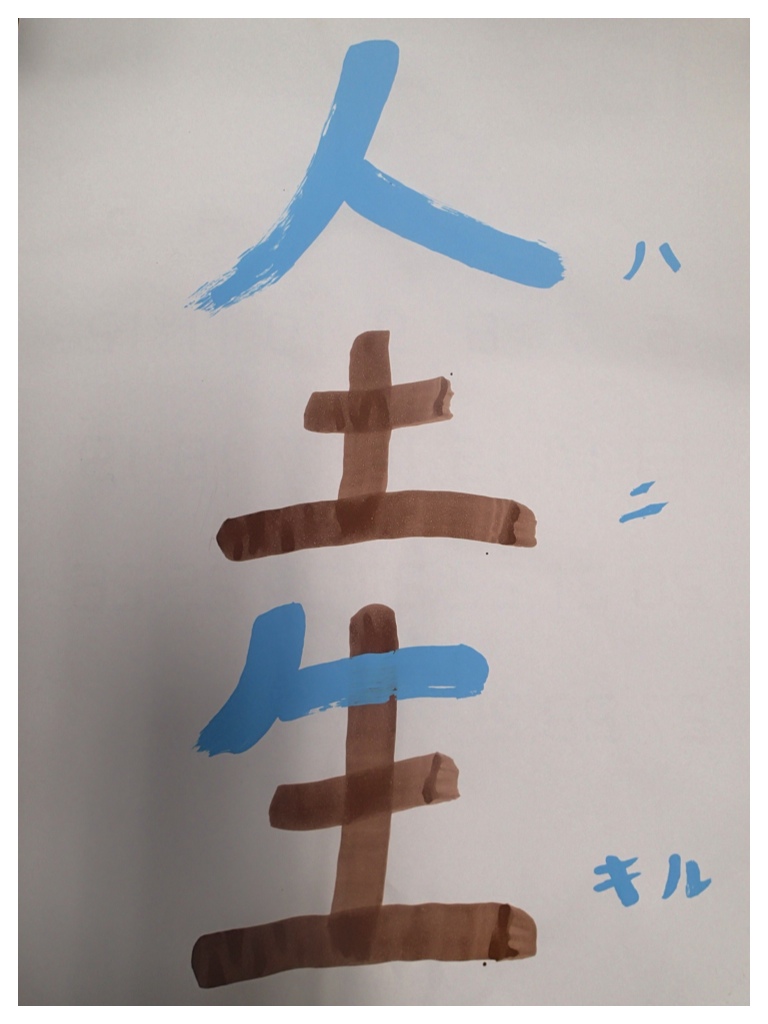
I have dissected the chinese character for “life”, “live”, or “birth”, and found that it was composed of “man” and “soil”. It was a very suggestive finding.
I have drawn these three chinese characters in a sequence on the backside of this year’s wall calender, meaning “Man lives on earth” in English or “Man lebt auf dem Boden” in German.
In Japan, around 450 people with the family name of “Tsutsuki” are living, which means that “Tsutsuki" is a very rare family name in Japan.
Distribution of “Tsutsuki” family is very narrow. The largest settlement with 150 Tsutsuki people is Azumi village, Matsumoto city in Nagano prefectue, and the second largest settlement with 90 Tsutsuki people is Anjo city in Aichi prefecture.
My family originate from the Izumi village in Anjo city.
I noticed that many “Tsutsuki” families are connected with “Izumi” as their habitats in various places in Japan. There are many places called “Izumi”, “Izumo”, “Azumi”, “Esumi” and so on from Kyushu to north-eastern main island.
“Tsutsuki” as family name or location name appeares already in the ancient Japanese history books, “Kojiki” and “Nippon-shoki”.
Most famous “Tsutsuki” man is “Oh-Tsutsuki-no-Tarine” who was the father of the princess “Kaguya-hime”, who is described as the most beautiful lady as ever who came from the moon in a legend, and married to the Emperor “Sui-jin Ten-noh” as recorded in the authentic historical books, “Kojiki” and “Nippon-shoki”. Another man is “Oh-Tsutsuki-no-Mawaka”, who was the grandfather of the Queen “Jingu-Kohgou”.
These people lived in the Tsutsuki village in the suburves of Kyoto, Yamashiro country, presently “Kyo-tanabe” city. “Kizu” river is flowing through this area, and the ancient name of this river was “Izumi” river.
In Yamashiro town, Kizugawa city, Kyoto prefecture, there remains a large ancient tomb named "Otsuka-yama-kofun". Some researcher of archeology thinks that Oh-Tsutsuki-no-Tarine”was buried in this tomb.
The Emperor “Keitai Ten-noh” also ruled the ancient Japan “Yamato” residing in “Tsutsuki” village as a temporal capital.
Later, “Tsutsuki Nurinomi”, a naturalized citizen from Korea, lived in the Tsutsuki village, who engaged in sericulture, silk worm raising, which was a very new technology in Japan. The Queen “Iwano-hime” of the Emperor “Nintoku Ten-noh”, who got angry at the flirtation of the Emperor “Nintoku”, fled to the house of “Tsutsuki” and lived there until she died.
I do not know why no more “Tsutsuki” families are living there, but I suspect that they moved from their original place to Azumi village, Matsumoto city in Nagano prefecture or Izumi village in Anjo city, Aichi prefecture, losing the political influence in the central dynasty.
Both places are characterized as the settlement area of Azumi tribe, who were very good at sailing, and came to Japan from the continent in the ancient age of BC centuries and brought various advanced cultures and technologies.
Nagano prefecture is also considered as the place where descendants of the Japanese first original kingdom of Izumo settled and survived, where very old shrines of Hodaka and Suwa are worshiped. Azumi tribe was an influencive clan in the first kingdom. Tsutsuki families who settled in Nagano lived very deep in the mountains, separated into different valleys.
Oh-kuninushi-no-mikoto, the last great king of the first kingdom gave up his kingdom to the new rulers of Japan on the condition that he will be worshipped at the Izumo shrine, and his sons are allowed to survive in Nagano prefecture, while they will not disturb the new rulers.
On January 11, I went out to see a cinema show, Gaia Symphony, No. 8 directed by Mr. Jin Tatsumura and a music live stage of my friend, Mr. Ken Saitoh, at Tokachi plaza.
“Gaia Symphony No. 8” was very nice. The main theme was forest and tree, and the spirit living in the tree, composed of three parts.
The first part is the story of carving out an copy of old Noh mask which had been kept in an old shrine for more than 600 years.
The next part is the story of making a violin from the ruined woods after the giantic Tsunami on March 11, 2011 in the north-eastern Japan.
The last part was the story of an old fisherman, Mr. Hatakeyama, who is raising oyster at the sea of Kesen-numa in the north-eastern Japan.
His oyster and fishery beds were completely lost by the disaster due to the Tsunami. His son almost was about to lose his life because he was sailing just near the shore when the Tsunami came. His mother died due to the Tsunami. He himself was also in serious danger, but he ran up the hill carrying his grandson and could survive.
He had been aware of the relationship between the forest and the sea, and had been continuing the activity to plant tree seedlings in the mountain behind the sea.
The story told us how he and his oyster sea farm was recovered from the disaster, and it suggested that his long continued activity of planting trees in the mountain has helped the quick recovery of the damaged sea.
Last Saturday on January 30, 2016, I went to see a theater play held at the municipal hall in Makubetsu. The play was titled “Yane (Roof)” directed by a famous scriptwriter, Mr. Sou Kuramoto.
The play told the story of an old couple settled in the forest of Furano as a pioneer farmer. The story told that they married in 1923, and if they are still alive, they should be around 100 years old now. The couple lived happily cultivating the land around their house although they were poor, and had nine children. The brother of the husband was a hunter and lived near them and helped them occasionally. A simple life surrounded by wild animals and beautiful natural phenomena were described in the play.
However, the time has come to the age of war in 1930’s – 1940’s. Their first and second sons joined the army and both died as a air-force pilot and a soldier, respectively. The third son was also recruited to the army, but he committed a suicide, because he did not want to go to the war. The brother of the couple was also recruited to the army by a red paper (call-up paper), but he also did not like to join the army, and fled into the forest, but he was finally arrested and sent to the fierce war field. He survived the war, but had to go to Siberia as a war prisoner and died there due to the accident during the timber cutting labor.
After the war, the fourth son could have a successful life in his business and marriage, but moved to somewhere in a far city and could not live with his parents.
Their daughter married to a man working for a coal mine as a manager, but the coal industry became no more profitable with time, and they had to move to Fukushima employed by an atomic power plant.
The fifth son succeeded his father and became a farmer. He borrowed a huge amount of money from the agricultural co-operative, and bought a new tractor and expanded his farm land. However, he finally failed in his farm management leaving a huge amount of debt. Due to the debt, he had to give up his farm land and leave the land. The old couple also had to leave their own house and land together with their son’s family.
Other many sad stories due to the poverty and the violence of the society were also embedded in the play.
The roof of their house watched the history of their family throughout their life, and many happy and sad happenings occurred under and above the roof.
The play made us consider “What is the true happiness for us”, and I realized that the movement of the society does not always make the people happy. The society moves for the purpose of the society itself and not for the people.
I am grateful to my wife who brought me to the theater buying the two tickets in advance. Actually, I did not know where we were going on last Saturday.
By the way, today is the 6th anniversary day of the death of my farther who lived the age of war.
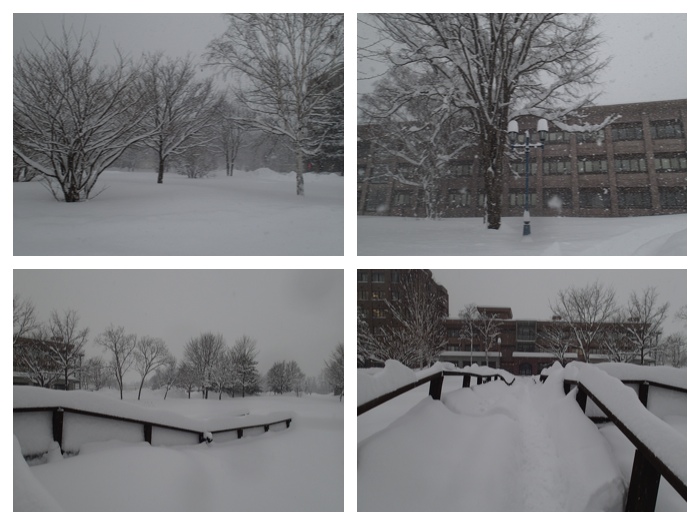
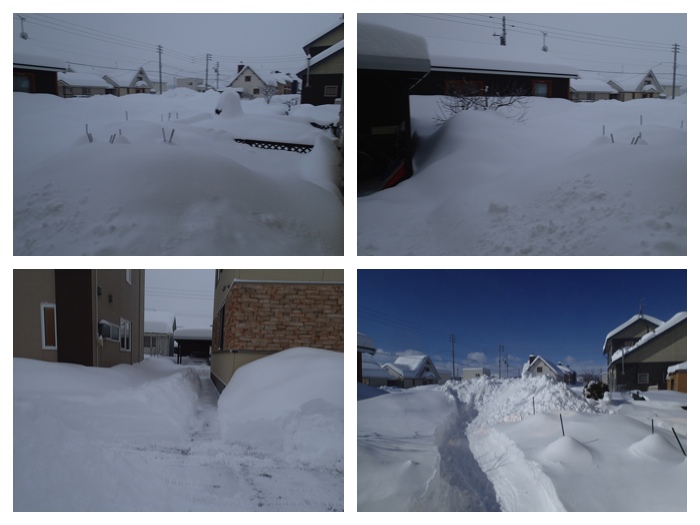
From February 29 to March 1, we had a extremely heavy snow in Obihiro. I thought the heavy snow ten days ago might have been the last one in this winter, but it snowed again even more than the last time. This snowfall was the largest one which I have ever experienced.
Comments from my senior friend, Mr. Ben Samson in the Philippines:
Hi my dear friend ! It only shows that weather is really UNPREDICTABLE ..... Be careful always ...
My reply:
Thank you, Mr. Samson. Irregular weather calamity occurs too often these years.
Return message from my friend:
Effect of global warming ???
My reply:
Gigantic earthquakes and typhoons occurred in many places in the world in these years. We could not foresee when, where, and how severe they come. Also the reasons of these natural phenomena are not well known, though various reasons are discussed after the disasters. Heavy snow might not be so harmful compared with earthquake or typhoon, but some people died in snow storm or by the traffic accidents caused by the snow. Anyway, we can prepare for these disasters because we know that we are living in the age and in the area where these disasters are unavoidable.
Return message from my friend:
Thanks a lot for the very interesting insights into these natural phenomena....
My further consideration:
This morning, March 3, I heard that there was a gigantic earthquake in northern Sumatra, Indonesia. Just one month ago, on February 6, there was also a gigantic earthquake in southern Taiwan. I even thought that human is not liked by the global system.
This time, I considered about the disasters caused by natural phenomena, but how about the disasters caused by human, himself, for example, the war or the atomic power plant accidents? How can we prepare for these human caused disasters? I think these disasters should be avoidable or manageable, if only human is wise, but we mankind, especially Japanese, have never been successful in avoiding these disasters.
As it has been raining continuously for a week in Obihiro, I will be rotted and depressed in my office and also at home.
If weather will become fine, I want to go to field to see my crops.
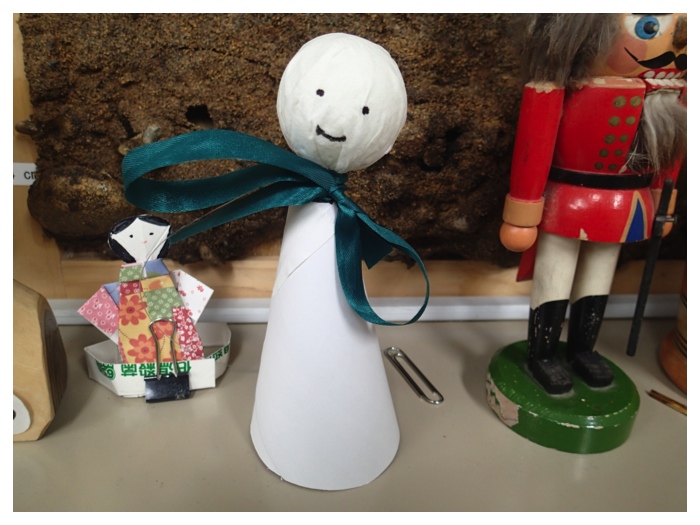
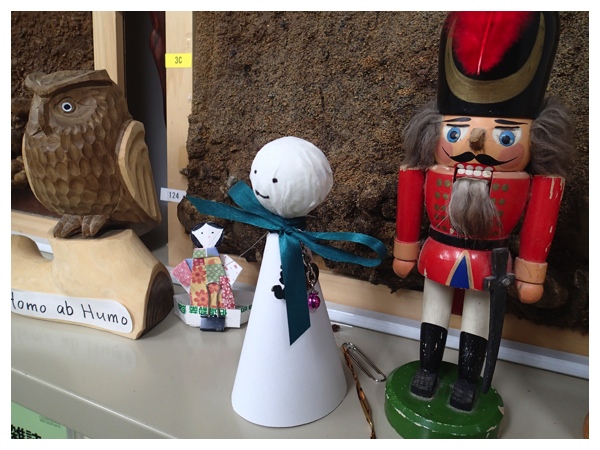
I found a Teru-teru bouzu (Sun-shine boy) which I made long ago only by wrapping a ping-pong ball with a tissue paper in a rubbish box. Today, I attached it further a long paper sleeve so that it will stand by itself, and set it on a bookshelf in my office.
There is a children’s song of Teru-teru bouzu (Sun-shine boy) with a nice minor melody in Japan.
I will translate it unofficially into English.
1.
Sunshine boy, Sunshine boy,
Please make tomorrow fine,
Like the sky which I dreamed one day.
If you make tomorrow fine like that,
I will give you a golden bell.
2.
Sunshine boy, Sunshine boy,
Please make tomorrow fine.
If you will accept my wish,
I will serve you a lot of sweet wine.
3.
Sunshine boy, Sunshine boy,
Please make tomorrow fine.
However, if it is still cloudy and crying,
I will behead you……
Please do not be scared after reading the part 3 of the song. Anyway, I will not behead my sunshine boy, and Japanese children usually sing only the part one of this song. Part 3 may not be taught to children at school or nursery school now a days.
Only a funny old child like me still remember the song.
Thanks to the Teru-teru bouzu, it became fine today (June 18), and I could work in my garden to remove the weeds. I have to give a golden bell to the Teru-teru bouzu. Anyway, it has been left in my office, and I and my wife had a sweet wine for dinner.
Many people might think that I am very easy going. However, I am an impatient man.
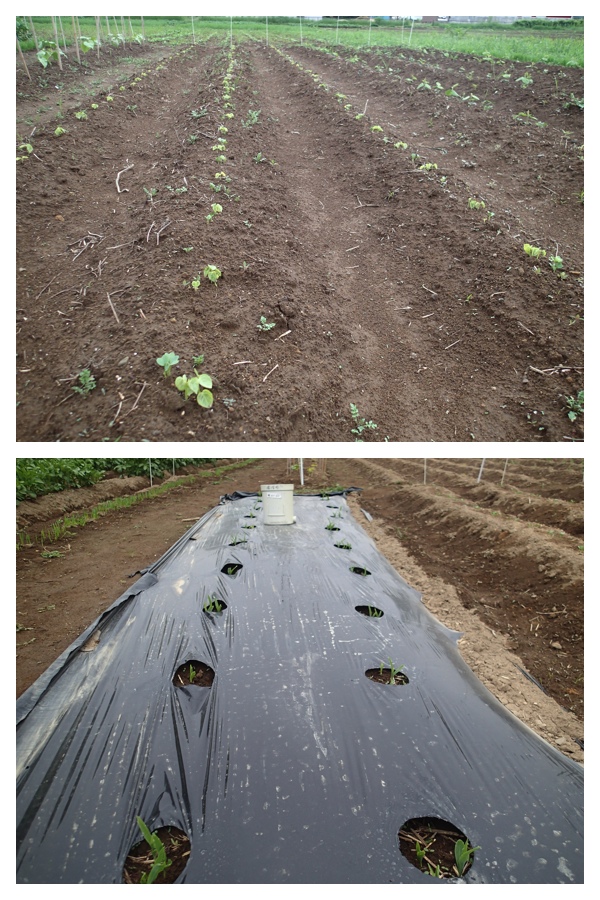
I sowed the seeds of adzuki bean on May 26, and those of sweet corn on May 28. I learned from the information on books and web sites that adzuki bean germinate within two weeks and sweet corn germinate within four days.
However, I used old seeds, 3 or 4 years old, for both adzuki and sweet corn, so that I was very anxious whether they germinate safely or not.
Maybe due to very cold temperature of this year, germination of crops were delayed very much, and the sweet corn and the adzuki bean did not germinate one week and two weeks after sowing, respectively.
I thought that my seeds were defective or dead already, and sowed new seeds of sweat corn on the original sweat corn spots on June 5, and seeds of radish on the rows of adzuki bean on June 10.
A few days after I sowed the new seeds, both sweat corn and adzuki bean germinated.
At present, I consider both varieties of sweet corn have germinated, and I have to pick the seedlings of radish on the rows of adzuki bean, because radish and adzuki can not be grown on the same row.
Anyway, this year is the international year of pulses, and adzuki bean should be remained on the row.
A comment from my friend:
Good, Dr. Kiyoshi Tsutsuki! It is quite an achievement to have these rather old seeds germinate in the low soil temp conditions! The seedlings look healthy, too!
My answer:
Thank you, Dr. P.
The growth of sweet corn and adzuki bean are delayed very much compared with the farmers fields. One reason may be that the fertilizer I used was organic matter based, and the mineralization of nitrogen is delayed under the low temperature.
Another comment from my friend:
Sensei maybe you should try germination test in the lab. first before planting it in the field, at least to be sure of high percentage of germination, Sir. Thank you and warm regards.
My answer:
Thank you, Mrs. E.
Maybe, I was too lazy or optimistic to confirm the germination rate.
Now, I have understood that I am optimistic (easy going) before I do something, but become pessimistic and impatient after I did something.
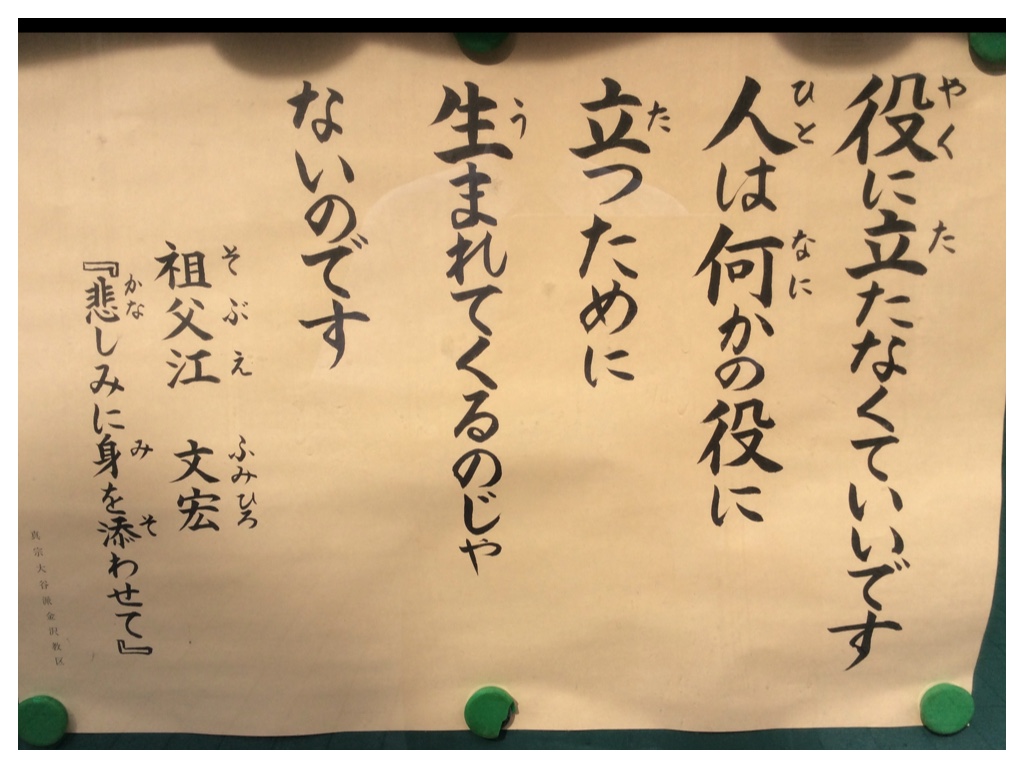
I found the following message in front of a buddhist temple in Kanazawa while I was attending the IHSS meeting.
“You need not be useful.
Human is not born to be useful for something.”
by Fumihiro Sobue
Mr. Sobue was a buddhist priest and a principal teacher of a nursery school for handicapped children.
He died still young already.
I considered the meaning of his message.
To be useful is nice.
To live useful means to be successful.
The Creator may not deny to live useful for society.
If an useful and successful person stand before the God, He might say to him,
“You have been praised in the human society enough already. However, to be useful or not is a criteria made by human society, but not by Me.”
There are weak people, small people, handicapped people, or too old people, who may not seem useful. Sometimes, they are neglected, discriminated, or even ill-treated.
God may praise the people who lived hard in spite of their handicaps or weakness.
God praise the people who could not be useful or failed in the human society.
He will comfort the people who are in pain.
He will love the small and weak people.
They are equally created by the God.